

Authenticity Doesn't Disappear. It Relocates.

Let’s take a trip back to the 1850s.
Photography had been around for a few years, and some people believed it would finally deliver something painting never could. Pure, unmediated truth. A mirror with memory. The camera, they thought, couldn’t lie.
Except it did. Almost immediately.
Photographers like Oscar Rejlander were combining multiple glass negatives into single prints as early as 1857. Henry Peach Robinson staged elaborate scenes with costumed subjects and called it documentary work. Hand-colorists painted warmth onto cold gray images. Retouchers softened wrinkles, slimmed waists, and corrected postures. By the 1860s and 1870s, photo manipulation was a trade skill with its own professional guild!
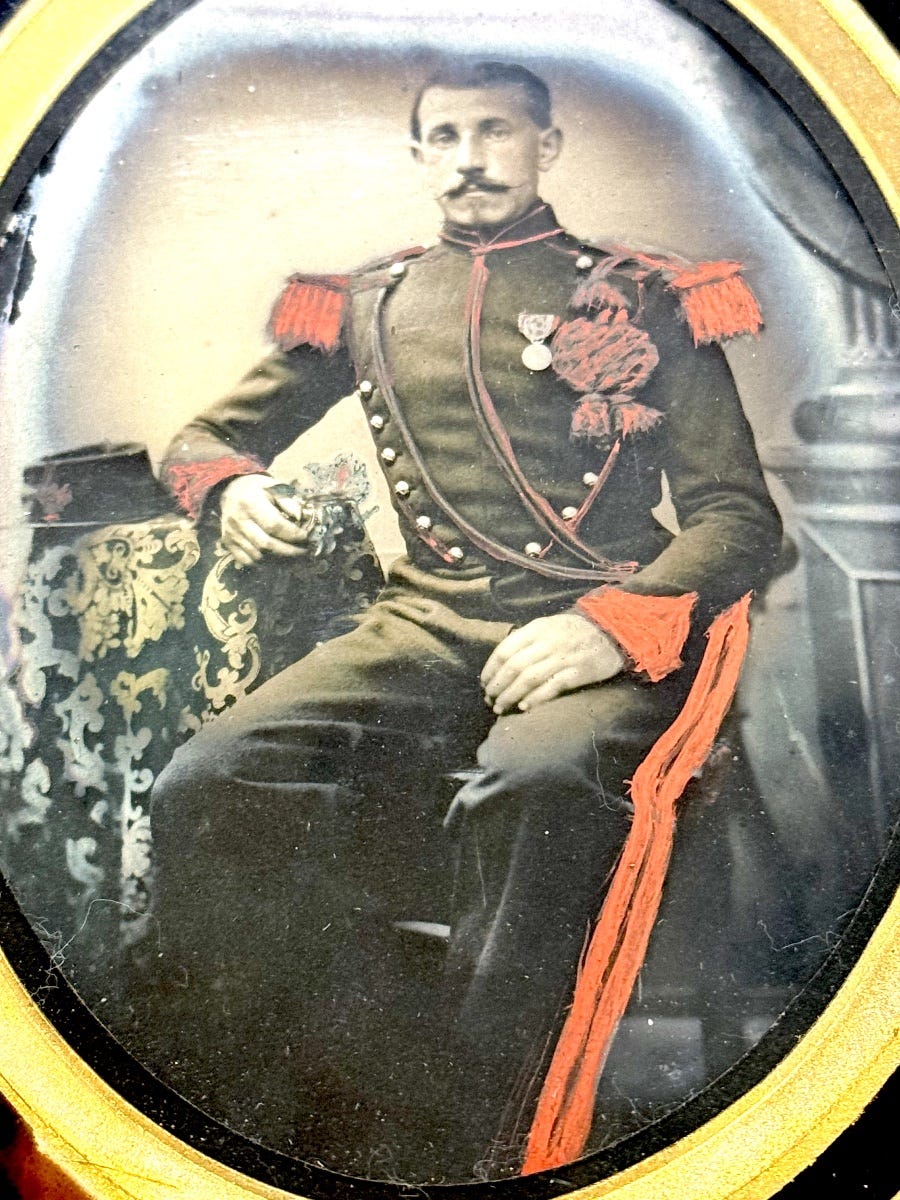
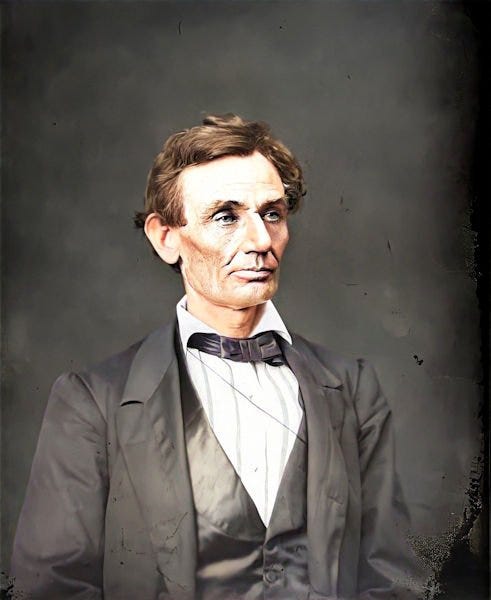
The myth of photographic truth came later. It was retrospective nostalgia for something that never quite existed.
Every new medium (and technology) arrives with a promise of transparency, and every medium eventually reveals its seams. The tools shape the image. The image shapes trust. Audiences learn, slowly, how to adapt to the new language and ways of seeing the world.
We are inside that learning curve again. And we’re becoming very uncomfortable.
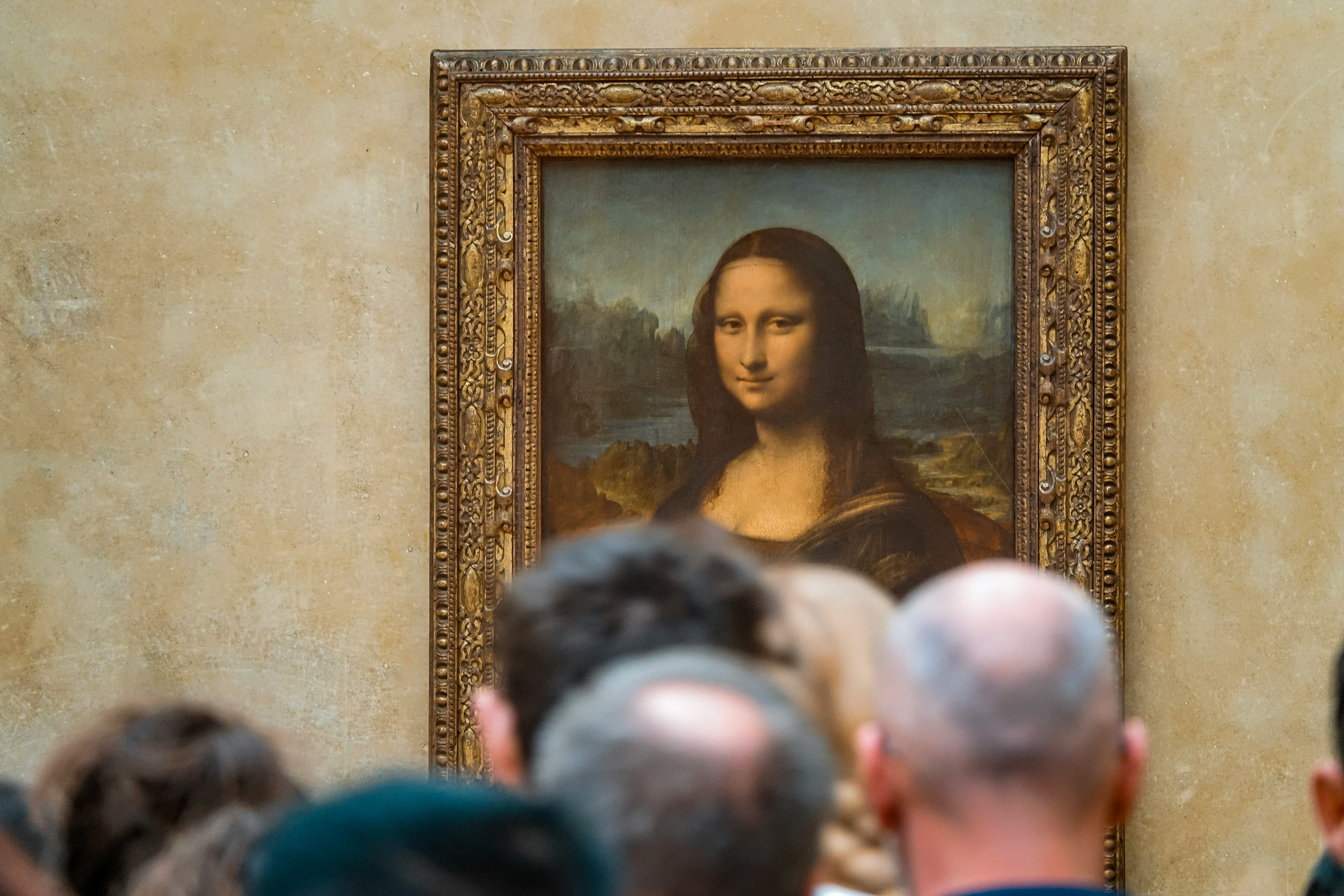
Walter Benjamin saw this same pattern unfolding in 1935. Writing from a Germany that was already sliding toward catastrophe, he described what happens when images and objects can be copied without limit. He called it the loss of ‘aura’. A medieval painting carries a weight that a printed reproduction never will. The original exists in one place, at one time, anchored to history and ritual. The copy travels. The context changes.
Benjamin was describing a shift in how humans experience value and presence. Reproduction didn’t destroy art. It reorganized it. Then film rose as a new form. Radio became an intimate evening ritual. The copy became its own medium with its own aesthetics and its own ‘meanings’. Think magazines and newspapers.
Then something interesting happened. Painting didn’t die as predicted. It changed. It stopped trying to compete with the camera’s surface accuracy and went somewhere the camera couldn’t follow. Impressionism, expressionism, and abstraction. The human mark became the point.
That’s the movement and change I want you to hold onto.
Remember the Milli Vanilli story?
In 1989, they won the Grammy for Best New Artist. The album had sold millions. The live performances were selling out. Then at a concert in Bristol, Connecticut, of all places, the backing track skipped. The same lyric repeated. The performers kept dancing, kept mouthing words that no longer synced. The mechanism behind the image was suddenly visible.
They had their Grammy revoked. The backlash was immediate and brutal.
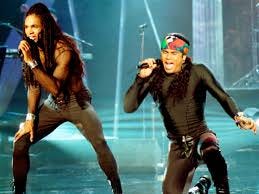
But lip-syncing itself wasn’t new! It wasn’t even uncommon. Many artists had been doing it in live and televised sessions for years.
What mattered to the audience was the gap between the claim and the reality. They were presented as singers. They weren’t.
A few years later, Ashlee Simpson had a similar moment on Saturday Night Live. A backing track started playing for the wrong song. She did a brief awkward dance and walked offstage. The internet didn’t let it go for years.
Same mechanism. Same exposure. Same public feeling of having been deceived.
I bring this up because the reaction wasn’t really about deception, at its core. We had lived with that for many years. It was the sudden visibility of the machinery. The audience glimpsed what was behind the performance, and it made them feel foolish for not having looked prior.
That feeling is exactly what’s happening with generative AI right now.
We assumed that a well-written essay was written completely by a human being. That type of fluency was earned through struggle, we believed. The finished paragraph was evidence of a mind working through something difficult and arriving somewhere ‘real’.
Now a model can produce something fluent in seconds. The machinery hums. The ‘aura’ starts to disappear (as Benjamin would say).
And people feel the same thing the Milli Vanilli audience felt.
But I want to push back on the panic and the reactions here.
Photography didn’t erase painting. Recorded music didn’t end live performance. What happened instead was clarification. Culture had to figure out what it actually valued, and why. The frame mattered as much as the content. Context became more important, not less.
Post-authenticity doesn’t mean nothing is real. It means authenticity migrates. It moves from the artifact to the relationship.
I work with schools across Connecticut through the ACES Center for AI. When a student uses a language model to draft something, the ethical line doesn’t live in the text. It lives in disclosure, in purpose, in whether the student wrestled with the idea or just accepted the output.
We’ve started asking students to show their prompts. To explain why they shaped a draft the way they did. To reflect on where the model took them, somewhere useful, and where it flattened something true. The conversation that follows is often more substantive than any conversation the original essay format was producing.
The essay itself used to be proof of effort. Now it has to be proof of thinking. That’s actually an upgrade, if we’re willing to design for it.
In business, the same shift is underway. Clients don’t care how long it took to build the slide deck. They care whether the thinking is sound and the insight is real. Generative systems compress production time. They don’t replace judgment about what matters or why.
We are moving from outputs to reasoning. From the artifact to the process that shaped it.
Marshall McLuhan used to say that we drive into the future using only our rearview mirror. We see the new through the frame of the old.
That’s exactly what’s happening with generative AI. We’re evaluating it through a framework built for a world where fluency equaled effort and effort signaled value. We’re not wrong to notice that the framework is breaking. We are wrong if we conclude that what breaks is truth itself.
What breaks is the shortcut we used to use. We won’t be able to assume that a polished surface represents a working mind behind it. We’ll have to ask more directly. We’ll have to look for something harder to fake than fluency.
Lived experience. Specificity. The detail that only comes from being in a room, living through something, making a judgment call. Those things don’t generate easily. They require a person.
The future of authenticity may look quieter than we expect.
It may look like a leader who says, “I used a model for the first draft, and here’s where I pushed back on it.” It may look like a classroom that grades the revision process, the questions asked, and the thinking that shaped the tool’s output. It may look like a byline that carries a methodology note, the way academic work carries citations.
Attribution. Disclosure. The willingness to show your work.
The camera didn’t kill truth. It forced culture to mature its relationship with images. It created photojournalism ethics, darkroom standards, and eventually digital verification tools. The medium exposed something that needed exposing, and culture built new practices around it.
Generative systems will do the same.
I don’t think we are losing authenticity as much as we are being pushed to locate it more honestly. Not in the polish of the artifact, but in the relationship between a thinking person and the tools they use, the choices they make, and the responsibility they’re willing to own.
Reckonings, when we’re honest about them, tend to make us better.